
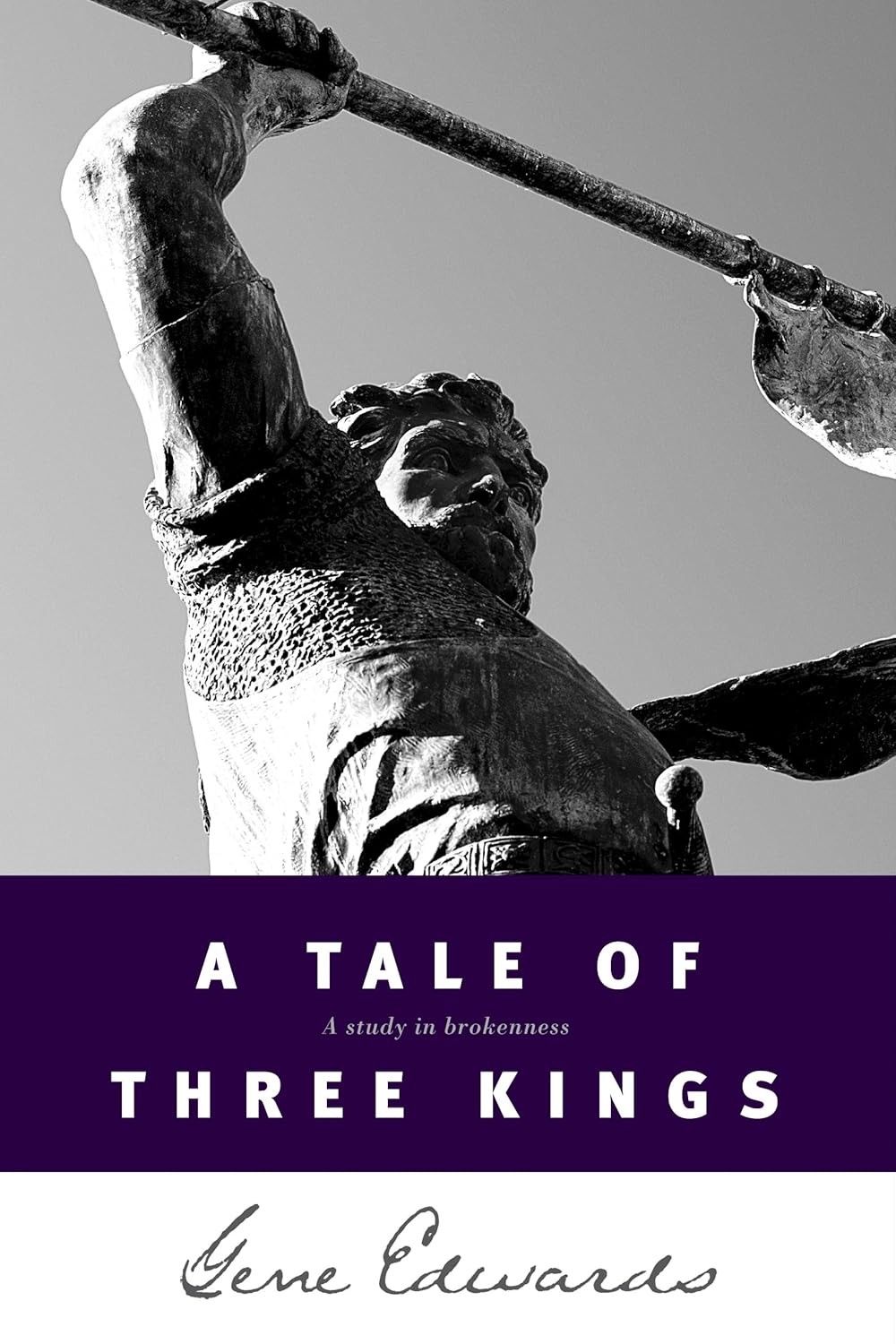
Description
Brokenness is a word many believers know well—not because we study it, but because we live it. Whether through heartbreak, disappointment, leadership wounds, or seasons where God feels silent, every Christian eventually walks through moments that shape the soul far more than success ever could. The journey of brokenness is not a detour in our faith; it’s often the very place where God forms humility, strength, and spiritual maturity.
That is why the themes explored in A Tale of Three Kings resonate so deeply with many readers. While I have not personally read the book, its core message has echoed across Christian communities for years: a raw, honest look at brokenness and redemption through the stories of Saul, David, and Absalom. These three men—each marked by power, pain, and choices with lasting consequences—offer timeless lessons about leadership, woundedness, and the quiet work God does in the hidden places of our hearts.
This blog post is not a review of the book itself, but a reflection on the spiritual themes it’s known for—pride, humility, rebellion, surrender, and God’s refining hand. By looking at what Scripture reveals about these three kings, we can draw meaningful insights into our own journey of faith. Their stories remind us that even in seasons of confusion or hurt, God is shaping us for a purpose far greater than we can see.
King Saul and David
Saul: The Warning of Pride and Misused Authority
Leadership is a Gift from God
Leadership is a gift—but when shaped by insecurity, fear, or the desire to control, it becomes a burden both to the leader and the people under them. In Scripture, King Saul stands as one of the clearest examples of how pride, woundedness, and spiritual drift can destroy the calling God once placed on a person’s life. His story is not preserved in the Bible to shame him; it’s preserved to warn us, guide us, and reveal what happens when the heart turns from obedience to self-protection.
Saul started with great promise. He was chosen by God, empowered by the Spirit, and positioned for influence. Yet over time, insecurity took root. Instead of trusting the God who called him, Saul clung to the throne with a closed fist. Every challenge became a threat. Every success of someone else felt like competition. His leadership shifted from shepherding God’s people to safeguarding his own image. That shift is where the unraveling began.
When a Leader Misuses the Gift
Many believers know what it feels like to sit under a Saul. A leader who once inspired becomes controlling, unpredictable, or harsh. Words meant to encourage instead cut deep. Decisions based on fear instead of faith leave others confused or wounded. Church hurt often stems from the very patterns Saul displayed—jealousy, insecurity, defensiveness, and a refusal to let God lead.
But Saul’s story is not just a warning for leaders. It’s a mirror for every believer. Pride grows quietly. Insecurity whispers subtly. We can all slip into the same patterns if we do not keep our hearts soft before God. Saul shows us that the greatest danger to a calling is not the enemy outside—it’s the pride we fail to confront within.
True Leaders with God’s Gift
True leadership—spiritual leadership—cannot survive on gifting alone. It must be rooted in humility, obedience, and steady trust in God’s timing. When we drift from dependence on God, we begin clinging to things never meant to be held by human hands: control, approval, status, or influence. And like Saul, we risk losing the very peace God desires to give.
As we begin this series, Saul’s life invites us to ask hard but necessary questions:
-
Am I leading out of fear or faith?
-
Do I celebrate others, or do I feel threatened by their success?
-
Have I allowed insecurity to shape my decisions?
-
Is my leadership (at home, church, or work) marked by control—or by trust in God?
Saul’s legacy reminds us that pride wounds, but humility heals. His downfall becomes a cautionary tale for every believer who wants to serve God with integrity.
In the Next Post
We’ll look at a very different kind of king—David, a man who chose surrender over self-protection and allowed God to shape him through brokenness.
Continue the series: David: The Strength of Surrendered Brokenness →
Shop Hoodies
Shop T-Shirts
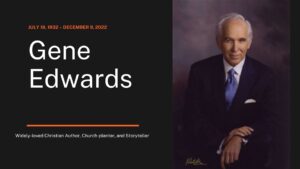
About Gene Edwards
Gene Edwards (July 18, 1932 – December 9, 2022) was a widely-loved Christian author, church-planter, and storyteller whose ministry stretched over seven decades. Born in Commerce, Texas, and raised during the oil-field era of his father, Edwards’ early life was marked by hard work, humility and a profound desire to know Christ. READ MORE HERE!
Though he faced learning challenges — including dyslexia and color-blindness — he went on to graduate at the Southwest Baptist Theological Seminary and launched into ministry in non-traditional ways. Gene Edwards+1 What set Edwards apart was his unshakeable belief in the power of story as a way to reveal deep spiritual truths, especially about brokenness, humility, and redemption.
Books He Authored
He authored more than 30 books (and over a hundred publications overall) that were translated globally. Among his most-known works are A Tale of Three Kings (1980), The Divine Romance and The Prisoner in the Third Cell. These books didn’t just tell stories — they invited readers into the heart of God through narrative, reflections, and biblical-fiction fusion.
In addition to writing, Edwards was a pioneer in what’s often called the “house-church” or organic church movement in the United States and abroad. He believed the early church model (meeting in homes, shared leadership, humble service) still has power for today’s followers. His emphasis on community, authenticity, and mutual ministry struck a chord with those hungry for more than institutional religion.
Gene Edwards went to be with the Lord in December 2022, leaving behind a spiritual and literary legacy that continues to inspire believers on the journey of faith, especially those navigating seasons of pain, leadership wounds, and redemption.
Why This Matters for Us
As you dive into A Tale of Three Kings (or reflect on its themes), remembering the voice behind it helps deepen our experience. Edwards’ own journey — from oilfields to authoring transformational Christian books, from traditional ministry to exploring first-century church life — mirrors the themes of brokenness, transformation, and new forms of serving the King. He didn’t merely write about surrender; he lived it.
His legacy encourages us to look beyond church structures and see the heart of ministry: humble service, community, authentic faith, and the transforming power of storytelling. And when we approach the stories of Saul, David, and Absalom (or our own stories of brokenness) through Edwards’ lens, we’re invited into more than reflection — we’re invited into growth.

Reviews
There are no reviews yet.