
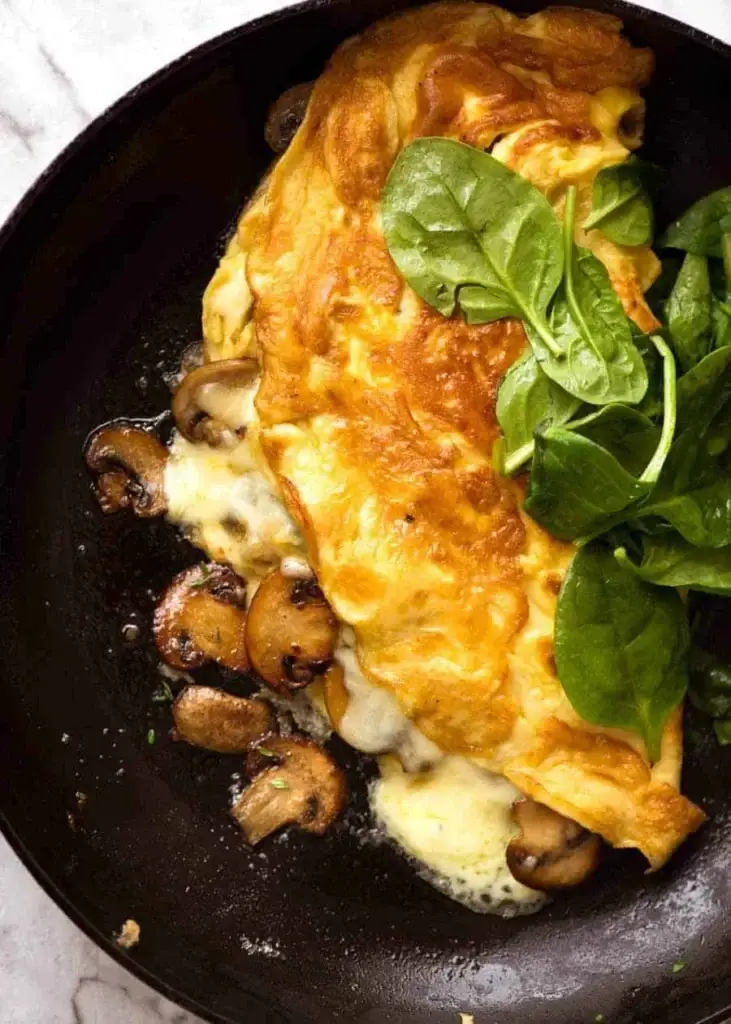
Basic Two Egg Omelette
Creating a basic two egg omelette is a fundamental culinary skill that, once mastered, can serve as a versatile foundation for numerous breakfast, brunch, or light meal options. This guide outlines a methodical approach to achieving a well-structured and palatable omelette, drawing upon established techniques for optimal results. The process emphasizes precise temperature control, careful manipulation of the egg mixture, and calculated timing.
The successful preparation of an omelette relies on the selection of appropriate ingredients and the use of specific kitchen tools. Adherence to these recommendations ensures consistency and facilitates the overall cooking process.
Essential Ingredients in a Two Egg Omelette
The primary component of any omelette is, naturally, the egg. For a basic two-egg omelette, two large eggs are required. The size of the eggs influences the final volume and thickness of the omelette.
Regarding seasoning, a modest pinch of salt is crucial. Salt not only enhances the flavor of the eggs but also aids in breaking down their protein structure during beating, leading to a more tender final product.
For those seeking a lighter, fluffier texture, a small amount of water or cream can be incorporated into the egg mixture. A teaspoon of water or cream per egg is a common ratio, but this addition is entirely optional and depends on individual preferences for texture. Water tends to produce a steam-infused fluffiness, while cream contributes to a richer mouthfeel.
Necessary Equipment
The selection of appropriate cookware is paramount for omelette preparation. An 8-inch nonstick skillet is the ideal vessel. The nonstick coating prevents the eggs from adhering to the pan surface, allowing for easier folding and removal. The 8-inch dimension is optimal for a two-egg omelette, providing sufficient surface area for even cooking without excessively spreading the egg mixture too thinly.
A spatula is indispensable for manipulating the eggs during cooking and for folding the omelette. A thin, flexible rubber or silicone spatula is often preferred, as it can gently scrape the edges of the omelette without damaging the nonstick surface of the pan. A fork or a small whisk is required for beating the eggs. While a fork suffices for a basic two-egg omelette, a whisk offers more thorough aeration.
Finally, a small bowl is needed to combine and beat the eggs. The size should be adequate to prevent spillage during whisking.
Preparing the Egg Mixture
The initial preparation of the egg mixture is a critical step that dictates the texture and consistency of the final omelette. Proper beating and seasoning are essential.
Beating the Eggs
Begin by cracking the two eggs into the aforementioned small bowl. A pinch of salt should then be added. As mentioned, the salt not only seasons the eggs but also contributes to the omelette’s texture. If opting for the inclusion of water or cream for increased fluffiness, this is the stage to incorporate it. Add approximately one teaspoon of water or cream.
The eggs should then be thoroughly beaten. This process can be achieved with a fork or a small whisk. The goal is to break down the chalazae – the white, stringy bits that anchor the yolk – and to fully integrate the yolks and whites. Continue beating until the mixture reaches a frothy or uniform consistency.
The frothy stage indicates successful aeration, which will lend a lighter texture to the cooked omelette. If uniformity is the primary goal, ensure no distinct streaks of yolk or white remain. This thorough blending is crucial for even cooking and a cohesive structure. Think of the beating process as an alchemist’s transformation, turning disparate elements into a unified, potential-laden liquid.
Heating the Skillet and Initial Cook

The controlled heating of the skillet and the initial introduction of the egg mixture are pivotal moments in the omelette’s progression. Precision in these steps ensures a foundation for even cooking and prevents premature setting or burning.
Achieving Optimal Pan Temperature
Place the 8-inch nonstick skillet over medium heat. This moderate heat setting is crucial; overly high heat will cause the outside of the omelette to cook too quickly, potentially burning it, while leaving the interior raw. Conversely, heat that is too low will prolong the cooking time unnecessarily and may result in a rubbery texture. Allow the skillet to heat for approximately 1-2 minutes, or until a drop of water sizzles and evaporates quickly upon contact.
Once the skillet has reached the desired temperature, a small amount of butter or oil should be added. A pat of butter (approximately 1 teaspoon) or a similar quantity of a neutral oil like vegetable or canola oil is appropriate. The fat serves multiple purposes: it prevents sticking, contributes to flavor (especially butter), and aids in heat transfer. As the butter melts or the oil heats, swirl the pan to ensure the entire cooking surface, including a small portion of the sides, is coated. This uniform coating acts as a crucial barrier between the egg and the hot metal.
Pouring the Eggs and Initial Setting
Immediately after coating the pan with butter or oil, pour the prepared egg mixture into the heated skillet. The sizzle heard upon pouring confirms that the pan is at the correct temperature. As soon as the eggs are in the pan, reduce the heat to medium-low or even low. This reduction in heat is vital for controlled cooking, preventing the bottom from browning excessively while the top remains raw.
Allow the eggs to cook undisturbed for approximately 10 seconds. During this brief period, observe the edges of the omelette. They should begin to set, forming a thin, cooked perimeter. This initial setting indicates that the proteins are coagulating, establishing the foundational structure of the omelette. This 10-second interval is akin to the quiet genesis of a new form, where liquid begins its transformation into solid.
Developing the Two Egg Omelette Structure

Once the initial setting has occurred, the active manipulation of the egg mixture begins. This phase requires constant attention and gentle technique to ensure even cooking and a tender interior.
Pushing and Tilting Technique
The hallmark of a well-executed two egg omelette lies in the ability to progressively cook the egg mixture without allowing it to form a dense, monolithic mass. After the initial 10-second setting, begin to gently push the cooked edges of the omelette towards the center of the pan using your spatula. As you push the cooked egg in, simultaneously tilt the pan. This action allows the still-runny, uncooked egg mixture from the center to flow towards the newly exposed hot surface at the edges.
This pushing and tilting motion should be repeated systematically around the entire circumference of the omelette. The goal is to encourage the runny egg to spread out and cook evenly.
Continue this process until the majority of the egg mixture appears mostly set, with only a thin layer of moist, barely cooked egg remaining on the very top. The surface should appear smooth, indicating that the egg proteins have formed a cohesive yet tender sheet.
This technique is similar to a sculptor patiently shaping clay, gradually coaxing it into its desired form. The omelette should not be stirred vigorously, as this would break up the delicate structure forming. Instead, the spatula acts as a gentle persuader, guiding the flow of the uncooked egg.
Adding Fillings and Folding
| Step | Action | Ingredients/Tools | Time Required | Notes |
|---|---|---|---|---|
| 1 | Crack eggs into bowl | 2 eggs, bowl | 1 minute | Use fresh eggs for best taste |
| 2 | Whisk eggs | Fork or whisk | 1 minute | Whisk until yolks and whites are fully combined |
| 3 | Heat pan and add butter | Non-stick pan, 1 tbsp butter | 2 minutes | Medium heat to avoid burning butter |
| 4 | Pour eggs into pan | Whisked eggs | 0 minutes | Spread evenly in pan |
| 5 | Cook until edges set | None | 2-3 minutes | Do not stir; let eggs cook gently |
| 6 | Fold omelette in half | Spatula | 30 seconds | Fold carefully to avoid breaking |
| 7 | Serve | Plate | Immediate | Optional: add salt, pepper, or herbs |
The final stages involve the integration of any desired fillings and the crucial act of folding the omelette into its characteristic crescent or rolled shape. These steps require precision to ensure the fillings are warmed and the omelette maintains its structural integrity.
Incorporating Fillings (Optional)
If adding fillings, this is the appropriate moment. Common omelette fillings include grated cheese, fresh herbs (such as chives or parsley), or pre-cooked vegetables (like sautéed mushrooms or spinach). It is important that any vegetable fillings are pre-cooked and relatively dry to prevent excess moisture from making the omelette soggy.
Distribute the desired filling over one half of the omelette, or along a central line, leaving the other side clear. Avoid overfilling, as this can make folding difficult and may cause the omelette to break. A modest amount of filling is typically sufficient for a two-egg omelette. The heat radiating from the omelette and the residual heat in the pan will gently warm the fillings as the omelette finishes cooking.
Folding the Two Egg Omelette
The method of folding an omelette can vary, but the objective is to enclose the fillings and create an appealing presentation. Two common methods are the half-fold and the three-fold (or French style).
For a basic two egg omelette, the half-fold is often preferred due to its simplicity. Using the spatula, gently lift one half of the omelette and fold it over the other half, enclosing the fillings. If practiced, a smooth, fluid motion is best, allowing the cooked egg to fold effortlessly without tearing.
Alternatively, for a three-fold style, sometimes called a “French” omelette, one would fold one-third of the omelette from one side towards the center, then fold the remaining third over the first fold, resulting in a slightly more cylindrical shape. This method is often employed for thicker, more rolled omelettes.
After folding, allow the omelette to cook briefly for an additional 10-20 seconds. This brief period ensures that the rawest parts of the egg, particularly those exposed by the folding, are sufficiently cooked and that any cheese fillings begin to melt.
Regarding the desired doneness, some prefer a slightly runnier, custard-like interior, while others prefer a more thoroughly cooked omelette. The duration of this final cooking phase can be adjusted accordingly. Do not overcook the omelette, as this can lead to a rubbery texture. The goal is a tender, moist interior.
Who says omelettes are just for breakfast? No no no!!! Omelettes are terrific for any time of the day. And it’s a master recipe that everyone should know! Read More
Finishing and Serving
The final steps involve carefully transferring the omelette to a plate and applying any last-minute seasonings before presentation. This concluding phase ensures the omelette is served at its best.
Transferring and Seasoning
Once the omelette has reached the desired level of doneness and is folded, it is ready to be transferred to a serving plate. With the nonstick skillet tilted, gently slide the omelette onto the plate. The nonstick surface should facilitate a smooth transfer with minimal effort. This process requires a delicate touch, as the omelette’s structure, while coherent, is still relatively fragile.
Immediately after plating, the omelette can be seasoned further, if desired. A light sprinkle of freshly ground black pepper can add aroma and a subtle piquant note. A small garnish of fresh herbs, such as chopped chives or parsley, can also enhance both the visual appeal and the flavor.
Serve the omelette promptly, as it is best enjoyed warm. Omelettes do not hold their texture well if left to cool for extended periods, as the delicate proteins can become firm and rubbery. Consider the presentation: a simple, unadorned omelette on a clean plate speaks volumes about its inherent quality.
In Essence
The creation of a basic two-egg omelette is a demonstration of controlled culinary artistry. From the initial beating of the eggs to the final slide onto the plate, each step contributes to a singular, satisfying outcome. Mastering this fundamental dish opens the door to a multitude of culinary explorations, as the basic omelette serves as a blank canvas for an infinite array of flavors and ingredients. It stands as a testament to the fact that often, simplicity, when executed with precision and care, yields the most rewarding results.
Full Recipe Two Egg Omelette Here
FAQs
What ingredients do I need to make a basic two egg omelette?
To make a basic two egg omelette, you need two eggs, a pinch of salt, pepper to taste, and a small amount of butter or oil for cooking. Optional ingredients include cheese, vegetables, or herbs for added flavor.
How do I prepare the eggs for the omelette?
Crack the two eggs into a bowl, add a pinch of salt and pepper, and whisk them together until the mixture is smooth and slightly frothy.
What is the best way to cook a two egg omelette?
Heat a non-stick skillet over medium heat and add butter or oil. Pour in the beaten eggs and let them cook undisturbed until the edges start to set. Gently lift the edges to allow uncooked egg to flow underneath. Once mostly set, fold the omelette in half and cook for another minute before serving.
Can I add fillings to my two egg omelette?
Yes, you can add fillings such as cheese, diced vegetables, cooked meats, or herbs. Add these fillings after the eggs begin to set but before folding the omelette.
How do I prevent my omelette from sticking to the pan?
Use a non-stick skillet and ensure it is properly heated before adding butter or oil. Using enough fat and cooking over medium heat helps prevent sticking and allows for easy folding and flipping.


